
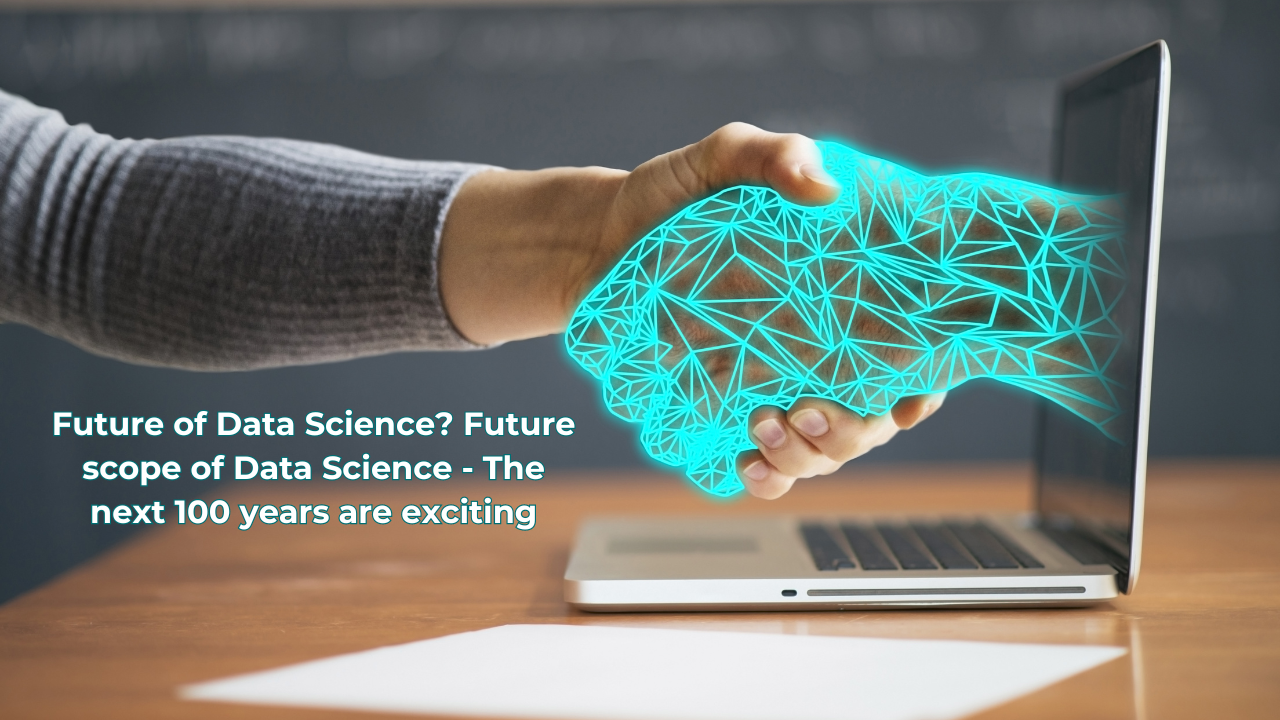
The role of data science in the future is poised to be transformative, influencing various industries and aspects of our daily lives. let’s dive in-depth exploration of the key aspects:
- Decision-Making and Insights:
Data science empowers decision-making by extracting valuable insights from large datasets. In the future, businesses and organizations will increasingly rely on data-driven decision-making to gain a competitive edge. Whether it’s optimizing processes, predicting trends, or identifying opportunities, data science will play a pivotal role in guiding strategic decisions.
Example: Amazon uses data science to analyze customer behaviors and preferences, providing personalized product recommendations. This approach significantly contributes to their decision-making processes and enhances the overall customer experience. - Innovation and Technology Advancement:
As technology continues to advance, data science will be at the forefront of innovation. It fuels the development of artificial intelligence (AI) and machine learning (ML) algorithms, enabling the creation of smarter systems and applications. From self-driving cars to personalized healthcare, data science contributes to groundbreaking advancements.
Case Study: Tesla’s Autopilot system relies on data collected from its vehicles to improve and optimize autonomous driving capabilities. This continuous learning loop exemplifies how data science contributes to innovation in the automotive industry. - Personalization and User Experience:
Future applications will be highly personalized, adapting to individual preferences and behaviors. Data science is instrumental in analyzing user data to provide tailored experiences, whether in online shopping, entertainment recommendations, or social media interactions. This personalization enhances user satisfaction and engagement.
Example: Netflix uses data science to analyze viewing habits and provide users with personalized content recommendations. This level of personalization has played a crucial role in the streaming service’s success. - Healthcare and Precision Medicine:
Data science is revolutionizing healthcare by analyzing vast datasets to identify patterns, predict disease outbreaks, and customize treatment plans. In the future, precision medicine will leverage individual genetic and health data for personalized diagnostics and treatment strategies, leading to more effective and targeted healthcare solutions.
Case Study: IBM Watson for Oncology analyzes medical literature, clinical trial data, and patient records to provide oncologists with personalized treatment recommendations. This showcases the potential of data science in revolutionizing healthcare. - Smart Cities and Urban Planning:
The concept of smart cities relies heavily on data science. Through the analysis of data from various sources, including sensors and IoT devices, cities can optimize resource allocation, enhance transportation systems, and improve overall urban planning. This data-driven approach contributes to the development of sustainable and efficient cities.
Example: Singapore employs data science to optimize its traffic management system. By analyzing data from sensors and cameras, the city adjusts traffic signals in real-time, reducing congestion and improving overall transportation efficiency. - Financial Forecasting and Risk Management:
In the financial sector, data science is crucial for predicting market trends, managing risks, and optimizing investment portfolios. Future financial systems will increasingly rely on sophisticated algorithms to make real-time decisions, ensuring stability and resilience in a dynamic global economy.
Case Study: JPMorgan Chase utilizes machine learning algorithms to analyze financial market data for more accurate trading predictions. This data-driven approach enhances the bank’s risk management and investment strategies. - Environmental Sustainability:
Data science plays a vital role in monitoring and mitigating environmental challenges. It enables the analysis of climate data, prediction of natural disasters, and optimization of resource usage. In the future, data science will contribute to sustainable practices, helping address climate change and protect the environment.
Example: The Ocean Cleanup project uses data science to analyze ocean currents and plastic distribution. This data-driven approach helps optimize cleanup efforts to target areas with the highest concentration of plastic debris. - Cybersecurity:
With the increasing complexity of cyber threats, data science is fundamental to developing robust cybersecurity measures. Future cybersecurity systems will leverage advanced analytics to detect and prevent cyber attacks in real-time, ensuring the integrity and security of digital systems.
Case Study: Darktrace employs machine learning algorithms to detect abnormal patterns in network behavior, identifying potential cyber threats. This proactive approach enhances cybersecurity by quickly responding to evolving threats. - Education and Learning Analytics:
In the education sector, data science is evolving to provide insights into student performance, learning patterns, and educational outcomes. Future educational systems will use data analytics to tailor learning experiences, identify at-risk students, and optimize teaching methodologies for better outcomes.
Example: Khan Academy uses learning analytics to track student progress and adaptively provide personalized learning experiences. Data science contributes to a more effective educational platform, catering to individual student needs.
In conclusion, the future role of data science is multifaceted, influencing diverse domains from business and healthcare to urban planning and environmental sustainability. Its ability to extract meaningful insights from data will continue to drive innovation, inform decision-making, and address complex challenges in an increasingly data-centric world.





Leave a Reply